
 中文简体
中文简体
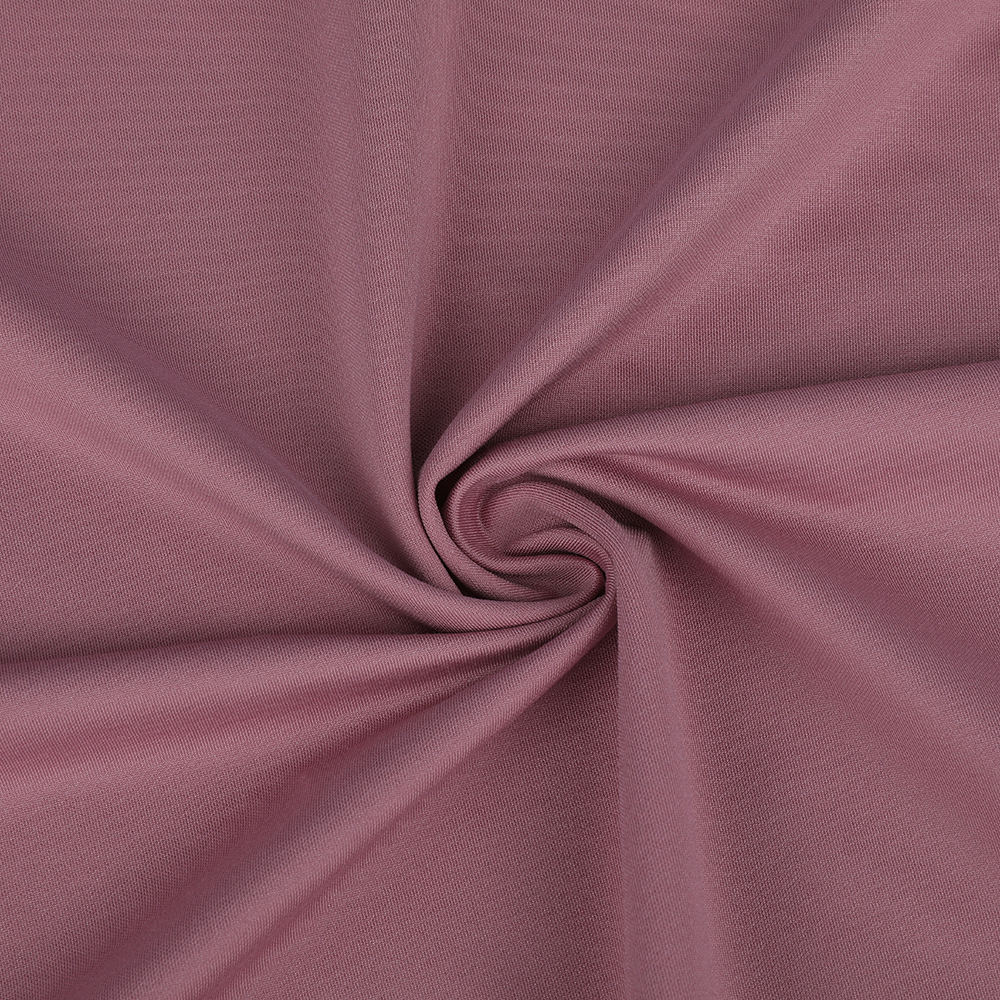
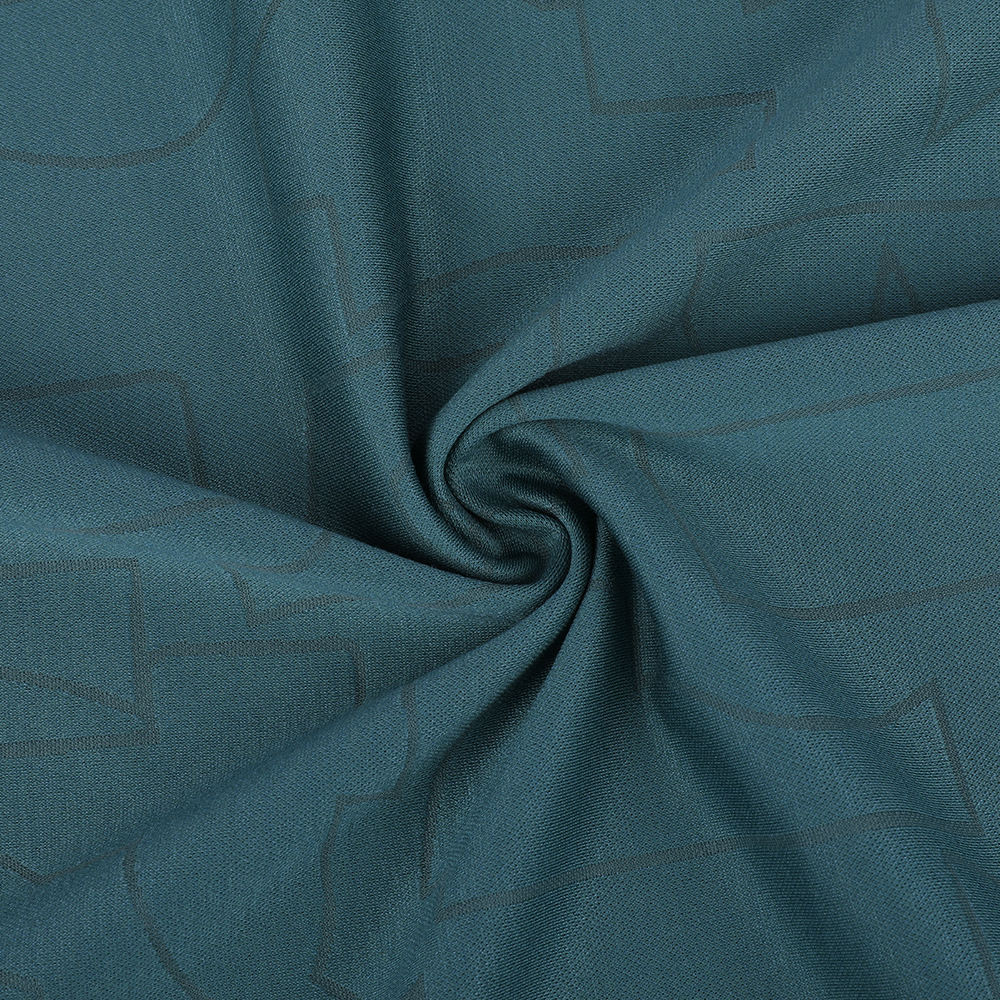


در مهندسی نساجی، پارچه پیراهن بافتنی به دستهای از سازههای بافتنی اشاره میکند که برای راحتی، پوشش و ثبات ابعادی در لباسهای رویه طراحی شدهاند. این مقاله یک تجزیه و تحلیل فنی عمیق ر...
ادامه مطلب
سفارشی پارچه پیراهن نخی ابریشمی
Silk cotton shirt fabric is a blended material that combines the characteristics of silk and cotton. It is made of natural mulberry silk and high-quality cotton fibers. It not only maintains the smooth touch, good breathability and moisture absorption, and perspiration function of silk but also has the durability and wrinkle resistance of cotton fabric. This fabric is soft to the touch, comfortable to wear, and suitable for wearing in various climate conditions.
Silk cotton shirts usually have delicate textures and soft colors. Its color is warm and its luster is natural, which can show a low-key and restrained beauty. Its good breathability and moisture conduction can effectively regulate body temperature and keep the skin dry so that you can stay relaxed even if you wear it for a long time. Silk cotton fabric has been specially processed and has good wrinkle resistance and wear resistance. It is easy to take care of and is not easy to deform even if it is machine washed, ensuring the durability of the clothes.
در مورد
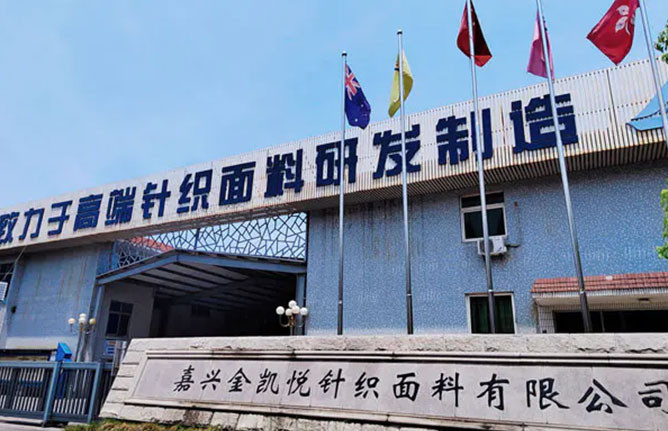
Jiaxing Jinkaiyue Farric Co. ، Ltd.
در سال ۲۰۰۰ تأسیس شد، Jiaxing Jinkaiyue Knitted Fabric Co., Ltd. این شرکت که به تولید پارچههای بافتنی مرغوب اختصاص دارد، در طیف گستردهای از پارچهها، از جمله ابریشم، پنبه بادوام، کتان، پشم، کشمیر و الیاف ترکیبی مختلف تخصص دارد.
همانطور که
چین سفارشی پارچه پیراهن نخی ابریشمی تولیدکننده و
پارچه پیراهن نخی ابریشمی کارخانهها و تأمینکنندگان, جین هایت از ماشینهای بافندگی حلقوی پیشرفتهای استفاده میکند که میتوانند انواع بافت را برای بافتهای جرسی تکی و دوتایی ایجاد کنند. محصولات ما شامل بافت ساده، بافت دندهای، بافت ژاکارد و فرآیندهای بافت پیچیدهتر مانند بافت پرز بلند، بافت حبابی تکی، بافت انتقالی حلقهای، بافت شال، بافت چشمی، بافت دندهای سوئیسی و بافت رومی شش مرحلهای میشود. ما ارائه میدهیم
پارچه پیراهن نخی ابریشمی بفروشید.
این شرکت تقریباً ۳۰۰ کارمند دارد که ۲۰٪ آنها در بخش تحقیق و توسعه، فناوری و طراحی مشغول به کار هستند. برای تضمین کیفیت بالاتر، جین کایوئه در تجهیزات پیشرفته از ایتالیا، آلمان، سوئیس، ژاپن و تایوان سرمایهگذاری کرده است.
گواهی افتخار
خبر
-
-
مقدمه: پایه یک سه راهی عالی تی شرت ساده یکی از لوازم اصلی کمد لباس جهانی است، اما همه تی شرت ها برابر نیستند. تفاوت عمیق بین یک پیراهن معمولی و پیراهنی که شبیه پوست دوم است، در ساختار اصلی آن نه...
ادامه مطلب -
به عنوان مهندسی نساجی و پوشاک ارائه دهنده راه حل ها، شرکت ما در تامین منابع، ارزیابی و تامین مواد پارچه پیشرفته برای تولید کنندگان پوشاک، مارک ها و تیم های خرید B2B در سراسر جهان تخصص دارد. یکی از ...
ادامه مطلب -
1. چرا ترکیب پنبه ابریشم انتخاب هوشمندانه ای برای پیراهن های سفارشی گران قیمت است؟ دستیابی به پارچه پیراهن عالی اغلب به یک معضل کلاسیک منجر می شود: احساس مجلل ابریشم در مقابل راحتی عملی پنبه. با...
ادامه مطلب -
بررسی مزایای پارچه کشباف مرسرریزه ژاکارد برای پوست های حساس افراد با پوست حساس اغلب برای یافتن منسوجاتی که راحتی را بدون ایجاد سوزش فراهم میکنند، تلاش میکنند. پارچه کشباف مرسریزه ژاکار...
ادامه مطلب
پارچه پیراهن نخی ابریشمی دانش صنعت
How to determine the optimal silk and cotton fiber blend ratio for silk-cotton shirt fabrics to achieve ideal softness, breathability and durability?
In the textile industry, the development and production of blended fabrics has always been a combination of technology and art. As the preferred material for high-end shirts, the balance of softness, breathability and durability of silk cotton shirt fabrics is a common focus of consumers and manufacturers. Jiaxing Jinkaiyue Knitted Fabric Co., Ltd., as a leader in the textile industry, is well aware of the importance of efficient management and integrated production processes, and also deeply understands the decisive influence of raw material selection and blending ratio on the performance of the final product.
Advantages and Challenges of Silk-Cotton Blending
Silk-cotton blended fabrics combine the dual advantages of silk and cotton fibers. Silk is known for its good gloss, softness, smoothness and good breathability, while cotton fibers are known for their strong moisture absorption, good wear resistance and good warmth retention. The combination of the two can theoretically create an ideal fabric that is both soft and breathable, and has a certain degree of durability. However, how to find the best blending ratio to maximize these properties is a major challenge in the production process.
Considerations for determining the optimal blending ratio
Softness: Silk is significantly softer than cotton, so increasing the proportion of silk can improve the softness of the fabric. However, too high a silk ratio may increase the fabric cost and may affect durability.
Breathability: Both silk and cotton fibers have good breathability, but silk is more breathable. However, breathability is also affected by the fabric structure and post-processing process.
Durability: Cotton fibers have high abrasion resistance and strength, so increasing the proportion of cotton fibers can improve the durability of the fabric. However, too much cotton fiber may reduce the softness and glossiness of the fabric.
Experimentation and optimization
In order to find the best silk-cotton blending ratio, manufacturers usually conduct a lot of experiments. The following is a possible experimental procedure:
Set the blending ratio range: Based on preliminary market research and production cost considerations, set a reasonable blending ratio range, such as 20% silk to 80% silk.
Make samples: Make fabric samples according to different blending ratios.
Performance testing: Test the samples for softness, breathability, and durability. The test methods include but are not limited to hand feel evaluation, air permeability tester and abrasion resistance test.
Data analysis: According to the test results, analyze the impact of different blending ratios on fabric performance.
Optimization and selection: According to the analysis results, select the best blending ratio. This is usually a balance point, that is, finding the best balance between softness, air permeability and durability.
Actual cases and recommended ratios
In actual production, the optimal ratio of silk-cotton blends often varies depending on product positioning, market demand and production costs. But in general, for shirt fabrics that pursue high-end texture and comfort, it is recommended to use a higher silk ratio, such as a blending ratio of 50% silk and 50% cotton fiber, or a higher blending ratio of 70% silk and 30% cotton fiber. Such a ratio can provide sufficient air permeability and a certain degree of durability while ensuring the softness and glossiness of the fabric.
In the development and production of silk-cotton shirt fabrics, Jiaxing Jinkaiyue Knitted Fabric Co., Ltd. has fully utilized its advantages in efficient management of raw materials and finished product storage and integration of production processes. The company strictly screens raw materials to ensure the high quality of silk and cotton fibers. At the same time, by optimizing the production process, improving production efficiency and reducing costs, it provides consumers with more cost-effective silk-cotton shirt fabrics.
Determining the optimal silk-cotton fiber blending ratio for silk-cotton shirt fabrics is a complex and meticulous process that requires comprehensive consideration of multiple factors such as softness, breathability and durability. Through scientific experiments and optimization steps, the best balance can be found to provide consumers with high-quality, cost-effective silk-cotton shirt fabrics.
قابلیتهای تولیدی ما با قابلیتهای قوی تحقیق و توسعه (R&D) هماهنگ است و ما را قادر میسازد تا تعداد زیادی پروژه را با کیفیت بهتر و زمانبندی کوتاهتر ارائه دهیم.
قابلیتهای تولیدی
قابلیتهای تولیدی قوی، رقابتپذیری شما را افزایش میدهد
-

برای تضمین کیفیت بهتر، جین هایت در ماشینآلات پیشرفته از ایتالیا، آلمان، سوئیس، ژاپن و تایوان سرمایهگذاری کرده است.
-

این شرکت عمدتاً در زمینهی انواع مواد، از جمله ابریشم توت، پنبه آمونیاک مایع، پشم، کشمیر، پارچههای ورزشی فضای باز و ترکیبات مختلف الیاف فعالیت دارد.
-

این شرکت به طور کارآمد، ذخیرهسازی مواد اولیه و محصولات نهایی را مدیریت میکند، کل فرآیند تولید را یکپارچه میکند و بهرهوری کلی را بهبود میبخشد.
-

این شرکت با پارچههای بافتنی باکیفیت، بازار کالاهای لوکس را هدف قرار داده و 20 درصد از نیروی انسانی خود را به تحقیق و توسعه اختصاص داده است تا ارزش محصول و رقابتپذیری آن را افزایش دهد.
حق نشر © Jiaxing Jinkaiyue Farric Co. ، Ltd.
